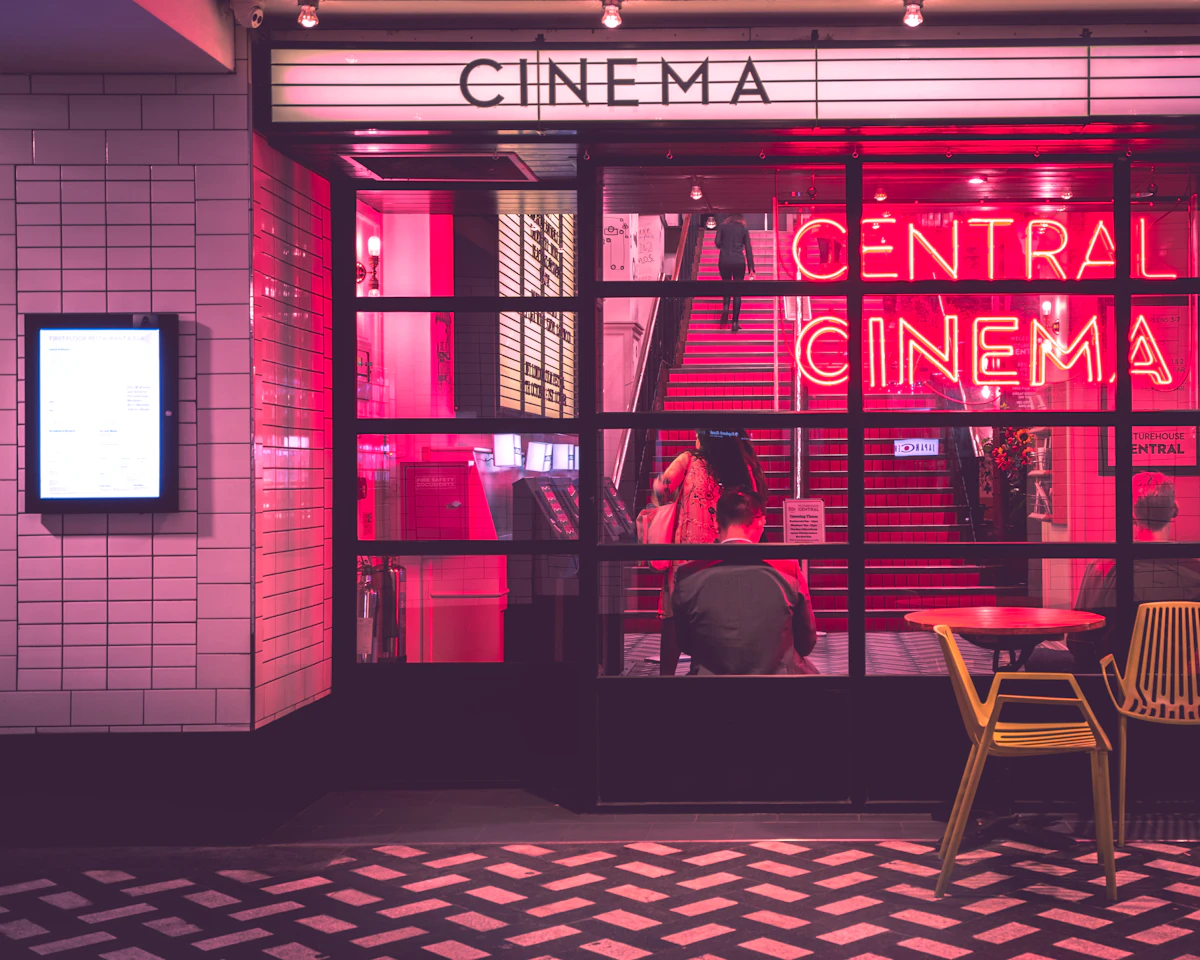
Before streaming and digital downloads, entertainment history was documented in magazines, newspapers, and physical media. These archives tell the story of how our culture evolved through the lens of entertainment, and they remain, in many cases, the only surviving record of how audiences actually experienced the films, records, and broadcasts of their time.
The Value of Physical Media Archives
Vintage entertainment publications offer perspectives unavailable in retrospective accounts. Reviews written at the time of release capture authentic audience reactions. Interviews from decades past reveal how artists viewed their own work before later reinterpretation. Advertisements show how entertainment was marketed to contemporary audiences.
Collectors and archivists who preserve these materials perform invaluable cultural service. Resources like Macollec demonstrate the depth of material available to those interested in media history. Vintage magazine collections document everything from early cinema to the evolution of popular music, providing primary sources for understanding entertainment's role in society.
Entertainment Magazines as Historical Documents
Entertainment magazines served multiple functions: promoting current releases, profiling stars, reviewing performances, and predicting trends. Reading them today offers windows into different eras:
- Studio system dynamics in classic Hollywood publications
- Youth culture evolution through music magazines
- Television's rise documented in TV Guide archives
- International entertainment coverage in global publications
These publications captured moments that digital archives often miss, the texture of fan culture, the economics of entertainment, the social context surrounding cultural phenomena. A single issue of a music weekly from the 1970s contains not just the cover story everyone remembers, but the classified advertisements, the gig listings, the letters pages, and the small news items that together reconstruct an entire cultural moment. That incidental detail is precisely what retrospective histories, written from summary and memory, tend to lose.
Why Preservation Matters
Digital content disappears constantly. Websites vanish, streaming catalogs change, social media posts get deleted. Physical archives provide permanence that digital collections cannot guarantee.
For researchers, historians, and entertainment professionals, access to original sources enables deeper understanding than summary accounts provide. The entertainment industry constantly looks backward, remakes, reboots, revivals, and original documentation informs these creative decisions.
How Archives Inform Modern Production
Archival material is not only of interest to historians. It is a working resource for anyone producing entertainment today. When a production needs to represent a specific decade, its fashion, its typography, its music, the way people held themselves on camera, the difference between an authentic reconstruction and a generic pastiche usually comes down to reference material. Production designers, costume departments, and directors who work from genuine period documents produce results that feel true; those who work from assumption produce results that feel borrowed.
This is especially true in documentary work, where archival footage and photography are often the raw material of the film itself. Our guide to the documentary production process explores how historical materials are sourced, cleared, and woven into contemporary storytelling. The same instinct applies to music video and portrait work: understanding how an artist or a scene was documented in the past shapes how you choose to document it in the present.
Cataloguing: The Invisible Work Behind Every Archive
An archive is only as useful as its findability. A shelf of unsorted magazines is a curiosity; the same magazines, indexed by date, title, subject, and contributor, become a research tool. This cataloguing work, patient, unglamorous, and rarely credited, is what separates a genuine archive from a hoard. Metadata records who, what, when, and where, and it is the layer that lets a researcher locate a single 1983 interview among thousands of pages.
Modern collectors increasingly treat cataloguing as a first-class task rather than an afterthought, because a well-described collection retains its value across generations and survives the death or dispersal of the original owner. Materials passed down without records lose much of their meaning; materials passed down with a clear catalogue remain usable indefinitely.
Building Personal Collections
Starting an entertainment archive doesn't require vast resources. Focus on specific interests, a favorite genre, era, or medium. Vintage magazines, original posters, program booklets, and press kits all preserve entertainment history.
Beyond personal enjoyment, collectors contribute to cultural preservation. Materials passed down through generations maintain connections to entertainment history that might otherwise be lost. Our look at Philadelphia's music scene history shows how local archives have preserved decades of musical heritage.
The Digital-Physical Balance
Modern archives increasingly combine physical preservation with digital access. Scanning projects make rare materials available to researchers worldwide while original documents remain protected. This approach balances accessibility with preservation. (Source: National Film and Sound Archive of Australia.)
Entertainment history deserves the same careful preservation as any other aspect of our cultural heritage. The magazines, publications, and media that documented our evolving entertainment landscape tell stories that merit remembering and studying for generations to come. For those interested in how this heritage shapes modern production, our complete guide to music video production explores how historical materials inform contemporary filmmaking.